. Skip to main content
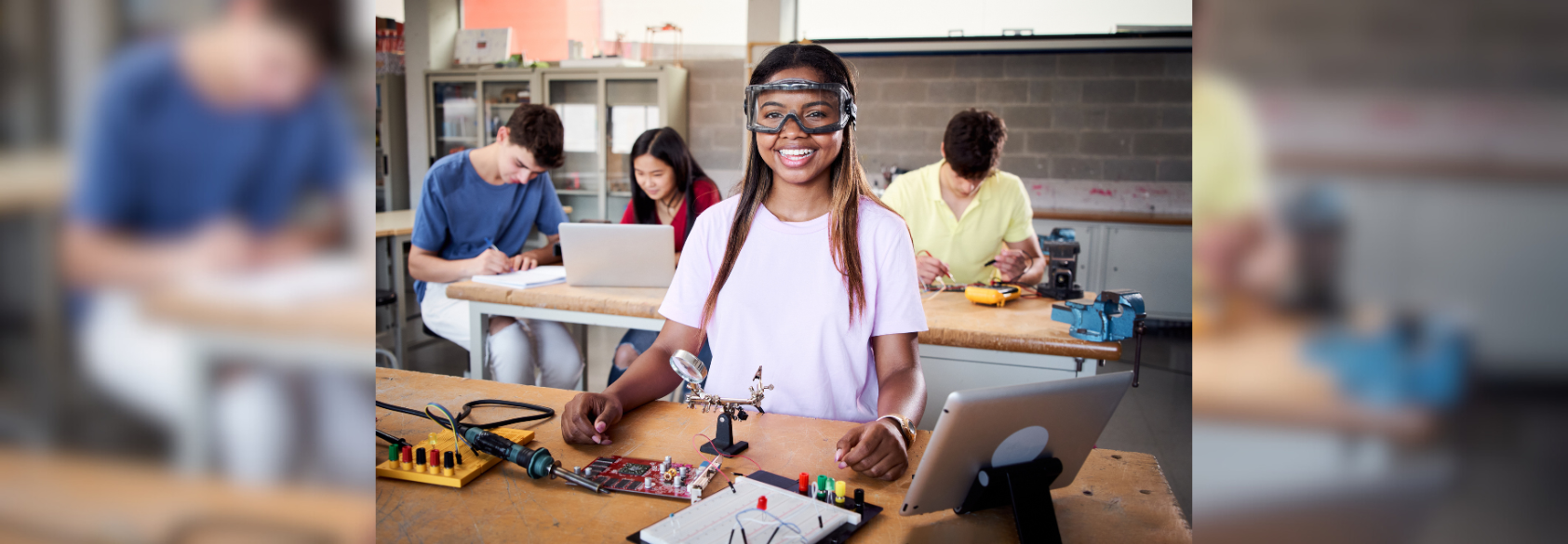
Looking at camera portrait of a young student wearing safety goggles in technical vocational training college, the lesson in High School. Education and technology concept. stock photo

February 25, 2026

From Career Awareness to Career Readiness: Building Strong CTE Programs in K-12 Schools

Explore how K-12 schools can move from career awareness to career readiness by building strong, equity-driven CTE programs. Discover key components of successful career and technical education pathways, real-world examples, and practical strategies to connect classroom learning with workforce opportunities.

Share

Share On Facebook
Share On Twitter
Share On Pinterest
Share On LinkedIn
Email

I previously wrote about the importance of supporting students’ career exploration from prekindergarten through high school—sharing stories from my own journey and from students asking the familiar question, “When will I use this in real life?” If you haven’t read that piece yet, I invite you to start there: Supporting PreK-12 Student Career Exploration.

That blog focused on helping students begin the journey of career awareness. But now, with a growing national focus on career and technical education, many schools are ready to move deeper—into robust, skill-based programs that connect learning to real-world career pathways.

With that in mind, let’s explore what it looks like to develop, lead and sustain effective CTE programs—and how we can build a bridge between students’ interests and workforce needs.

What Makes a CTE Program Work?

A successful CTE program is more than a set of electives or vocational offerings. It's a strategic, equity-driven system that:

  • Integrates academic learning with career readiness;
  • Offers real-world work-based experiences;
  • Reflects the needs of the local and national economy;
  • Prepares students for college and careers;
  • Builds community and employer partnerships; and
  • Centers student identity, culture and voice.

As the AFT puts it:

Career and technical education is a powerful investment in our nation’s future, equipping students with the skills they need to earn good wages, help support their families, and contribute to our economy. … Whether students choose to enter an apprenticeship immediately after high school or pursue further education, CTE offers flexible, innovative and diverse career pathways for students to pursue.

That vision of flexibility, innovation and connection between school and the workforce is exactly what strong CTE programs are achieving around the country.

To see how this looks in practice, check out the following blogs and resources:

These perspectives reinforce what we know to be true: When CTE is rooted in relevance, access and real-world outcomes, students thrive.

Real Voices, Real Impact

CTE isn’t just about coursework—it’s about giving students the tools to imagine and pursue meaningful futures.

Hear it firsthand from students and educators:

On-Demand Learning: EV Programs and More

If your school is looking to launch a cutting-edge CTE pathway, start with this on-demand webinar: How to Launch Electric Vehicle Training at Your School. You will learn how schools are equipping students for careers in EV technology—a field projected to grow rapidly in coming years.

When CTE is rooted in relevance, access and real-world outcomes, students thrive.

Don’t Miss These 2026 Virtual Conference Webinars!

We’re excited to be offering five free, for-credit CTE sessions at Share My Lesson’s 2026 Virtual Conference. Register now to catch these webinars live or later on demand to help equip you with real strategies and classroom-ready tools for embracing CTE.

Shape Futures, Inspire Careers

Shape Futures, Inspire Careers: Elevating Career Literacy

This session goes beyond “career readiness” to build career literacy—helping students critically understand the pathways, education and soft skills needed to thrive in mission-driven industries. It includes classroom-ready tools from BuildSubmarines.com that connect students to high-demand fields like maritime manufacturing.

Learn more
From standards to skills

From Standards to Skills: Amplifying Academic Learning Through Career and Technical Education

This interactive webinar will demonstrate how educators can amplify education standards through CTE-aligned instruction, blending core subjects with real-world, career-connected learning experiences. Educators will leave with classroom-ready tools, including sample lesson frameworks, crosswalks between academic standards and CTE competencies, and adaptable project ideas that can be implemented immediately—whether in traditional classrooms, CTE programs or interdisciplinary settings.

Learn more
Increasing Student Engagement Through Culturally Relevant Lessons Rooted in Students’ Lived Experiences

Increasing Student Engagement Through Culturally Relevant Lessons

Tired of hearing “this doesn’t matter” from students? This session will empower you to increase relevance and connections, by embedding your students' neighborhood and culture. Walk away with tools to help you seamlessly integrate personal relevance, community relevance, and future relevance. You will leave with a personalized ready-to-teach lesson.

Learn more
Future-Ready Learning

Future-Ready Learning: Work-Based Learning with AI and Real-World Careers

Explore the power of KnoPro’s hands-on challenges where students solve real business problems in fields like artificial intelligence, entrepreneurship and cybersecurity.

Learn more
AI in the CTE Classroom

AI in the CTE Classroom: Preparing Students for the Workforce

Discover how tools like Adobe Express can be used in digital art and design classes to help students blend creative expression with real-world artificial intelligence and marketing applications.

Learn more

Start Preparing Students for Career Success Today

Whether you’re developing a new career readiness pathway or expanding current opportunities, here are some key insights to support your work:

  • Engage stakeholders early. Students, families, local industries and postsecondary partners all play a role.
  • Make it inclusive. Representation matters. Be sure students sees themselves in your program design.
  • Connect the dots. Academic learning and career skills should reinforce each other—not compete.
  • Stay agile. CTE must evolve with the economy, technology, and student interests.
  • Celebrate student stories. The power of CTE is most evident when students can say, “This changed my life.”

Keep Moving Forward

CTE is no longer an alternative—it’s a driver of equity, engagement and economic opportunity. With the right resources and intentional design, CTE programs can shape not only futures, but also whole communities.

Explore the CTE resources on Share My Lesson, register for our free, for-credit 2026 Virtual Conference offerings, and let’s keep empowering students to explore, build and lead.

Career Exploration

This curated career exploration collection offers lessons on potential careers, pathways into those careers, how to create a career portfolio, gap year opportunities, positive changes that individuals have made through their chosen careers, and more.

2026 Share My Lesson Virtual Conference

Register for free, for-credit webinars for PreK–higher education educators, school staff and families, featuring the latest strategies and resources to support wellness, strengthen instruction and inspire innovation.

Megan Ortmeyer
Megan Ortmeyer is an SML Team Member and has worked in the AFT Educational Issues Department since fall 2018. She received her M.A. in education policy studies in May 2020 from the Graduate School of Education and Human Development at the George Washington University. Prior to working at the AFT,... See More
Advertisement

Post a comment

Log in or sign up to post a comment.