


Going Analog to Help Students Reconnect
Discover why Educator Amber Chandler is “going analog” in her classroom—using low-tech activities to build student connection, engagement and social skills in a digital age.
Share
March 19, 2026
Discover why Educator Amber Chandler is “going analog” in her classroom—using low-tech activities to build student connection, engagement and social skills in a digital age.
Share
There’s a growing buzz right now about “going analog.” First let me tell you that prior to the last few months, I had never used the word “analog” in my life. I’d heard something about analog clocks, but I didn’t retain it. So, to be clear, when we are collectively saying “analog,” we are creating a definition that doesn’t really exist. Here’s what I mean:
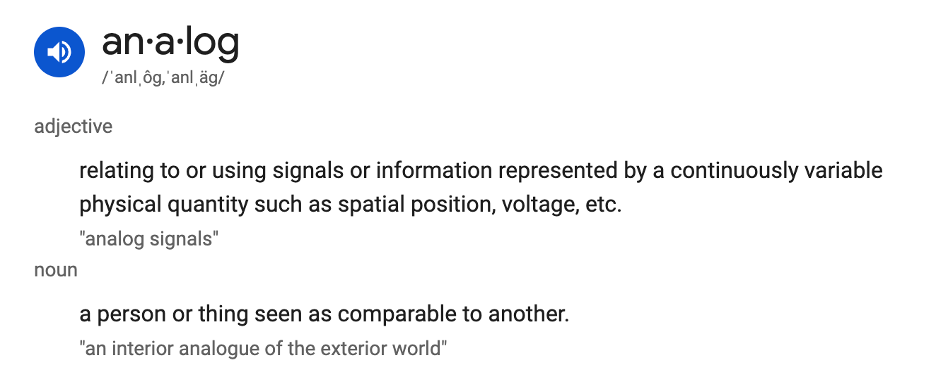
I’m an English teacher, so I’m OK with evolving language. What I think we all mean--at least what I mean--is to do things the old way, prior to computers and cellphones. Scroll through Instagram and you’ll see posts and reels describing how people are making “analog bags,” which basically contain all the things that could have been in my bag in 1992, when I was a senior in high school. Knitting, Uno cards, a sketchpad, a journal, notecards, colored pencils—all low-stimulation items. We are clearly having a surreal moment when we are deciding to “go analog” to quit doomscrolling, or bed rotting. I love this for so many reasons--nostalgia, conversations, actually being present. My newly released book Reclaiming Connection takes on this notion of a scared new world where we must intentionally seek ways to be together in the real world.
Ultimately, I decided this year that I wanted to intentionally help our students learn conversation skills and know how to handle situations.
Nevertheless, when it comes to my classroom, I’ve made some very pronounced shifts. For context, I have had a paperless classroom for over a decade, so this is a big step for me. I don’t know about you, but it isn’t so much the screens as it is the monitoring of the screens. My district uses GoGuardian, which isn’t bad, but a few of my students will still go wandering off somewhere other than the essay they’re typing while I’m watching them! It’s the boldness, honestly. It is impossible for my eighth-graders to keep their hands off their screens when I ask them to stop and look at me, so I can tell them something they need to know. Nope, I ask them to lower their screen, and I have now had to say, “and turn it toward me.” But, that isn’t why I decided to “go analog” in my classroom where we are also doing digital portfolios. These are the three catalysts that have me “going analog.”
So, here’s the thing. I’m sure you’ve noticed an anti-social, reclusive, shy, awkward vibe emanating from about half the people we meet out in the real world. Heck, it could even be you! That’s OK. No one, particularly schools, is recognizing the absolute seismic shift the COVID-19 pandemic caused. We have to fix the shift though, and as an eighth-grade teacher, I can tell you that it absolutely should be in the safety of a school where there are norms that help students know how to act. Awkwardness has to be experienced and processed; then, move on. I’ve told my son this before, and I think it stands: If something is awkward or anxiety-invoking, you have to push through because once you’ve lived it, it has lost its power. The situation or task hasn’t changed, you have. Life is hard, but the more experiences (especially awkward ones) you have, the sooner we can get society back on track. Greater Good Magazine has a great article, “How Pandemic Fatigue Made Us Antisocial,” that looks into the science behind this situation.
This is simple. The day before a holiday or break, we bring out the Uno cards, Boggle and Scrabble boards; my students love it. You can literally watch their shoulders relax. It is loud, but the good kind. You all know what I mean. The laughing, the abandoning of seriousness, and the flow of rapid-fire conversation is delightful, and it does remind me of the “olden days.” We should bring back actual field days with silly competitions—a three-legged race, water balloon tosses—you get the idea. Adults are going to have to intervene here because, get this, students don’t know about these things. We’re going to have to be awkward too, and that will do us good as well. Barbara Blackburn has a great blog about Games in the Classroom.
One topic I talk about pretty extensively in Reclaiming Connection is the need for “third spaces.” What I mean by that is places that are not work and not home, but a place where informal socializing and mingling can take place. Coffee shops and bookstores are perfect as third spaces. However, one major obstacle is cost. All I can say is that $20 is the new $10, and many of us don’t have that kind of disposable income. That’s where community leaders need to step in and provide recreation centers, libraries and parks with the resources they need to help build the community.
Your classroom, when you “go analog” can act as that third space. When students are sprawled on the floor making a poster, heads down, colored pencils scribbling away, the artificiality of the online world vanishes. There aren’t filters, the lighting can’t be fixed, and they will certainly not look ready to walk the runway. Instead, they will look, and feel, like the kiddos they are. Someone accidentally (or on purpose) begins to invade your personal space, and you learn to navigate that in a structured third space.
When students are sprawled on the floor making a poster, heads down, colored pencils scribbling away, the artificiality of the online world vanishes.
But wait, you might say, how are you doing digital portfolios? It’s simple. Whatever project we do, art we create, pictures we take, or handwritten draft we make can easily be added to a portfolio. The eighth-grade teachers have been doing this all year, and in May we’ll have students organize their work into almost a scrapbook of their year. This will be a great reflection of how far they’ve come as readers and writers, but also as soon-to-be high schoolers; they also will have forged better bonds with others in your analog classroom. Ultimately, I decided this year that I wanted to intentionally help our students learn conversation skills and know how to handle situations. The easiest way is with activities that require their full intention. Watching these kiddos play Jenga was fascinating. If you are interested, you can check out this blog where I explain why I wanted to use portfolios instead of a final exam. I also love this idea for mental health and social and emotional learning, “Create a Positivity Portfolio for Wellbeing, SEL, and Special Education.”
In the end, “going analog” is more of a mindset than a formula. Instead of sticking kiddos on Kahoot or Blooket (and I love both of them), have them make notecards and quiz each other. I’d love to chat with you about your ideas too. If this sounds right up your alley or maybe you are intrigued, I’m doing a webinar on March 26 at 5 p:m. EDT called “‘Going Analog’ in a Digital Classroom.” You can register here. Hope you’ll join the conversation.
In this webinar, you'll hear about a new approach to "going analog" while still making sure our students are prepared for the next iteration of technology.
Register for free, for-credit webinars for PreK–higher education educators, school staff and families, featuring the latest strategies and resources to support wellness, strengthen instruction and inspire innovation.