. Skip to main content
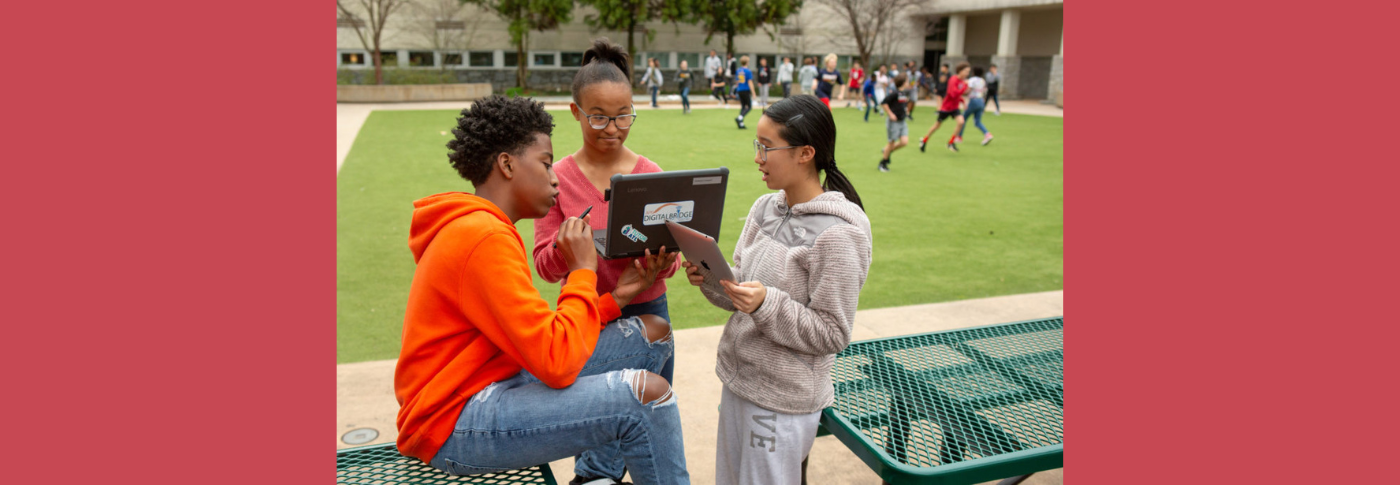
Three eighth-grade students work together on an assignment in a school courtyard during a media literacy lesson.

Photo by Allison Shelley for EDUimages

Media Literacy: What It Is, Why It Matters, and How to Teach It

March 2, 2026

Media Literacy: What It Is, Why It Matters, and How to Teach It

Media literacy helps students analyze, verify and create media responsibly. Learn what media literacy is, why it matters and how to teach it across grade levels with classroom-ready lessons.

Share

Share On Facebook
Share On Twitter
Share On Pinterest
Share On LinkedIn
Email

Students don’t just read books anymore. They scroll. They stream. They repost. They take screenshots.

Media literacy is the set of skills that helps them make sense of all of it.

At its simplest, media literacy means learning how to question, analyze, verify and responsibly create media messages—whether that’s a picture book, a news article, a meme, a podcast, a data chart or an image generated by artificial intelligence.

It’s not about telling students what to think. It’s about teaching them how to think when media is everywhere.

Media Literacy Definition 📌

Media literacy is the ability to access, analyze, evaluate, create and act using all forms of communication. It helps students question sources, identify bias, verify information, and understand how media messages are constructed and shared.

Those skills look different in kindergarten than they do in high school—but the foundation is the same.

An elementary school student might ask, “Who made this story and why?” A high school student might investigate funding sources or analyze algorithmic influence.

Both are practicing media literacy.

Why Media Literacy Matters Now

Students encounter more information in a single day than previous generations did in weeks. Without structured habits, it’s easy to:

  • Accept headlines without reading further.
  • Share claims before verifying them.
  • Miss hidden sponsorships.
  • Confuse opinion with evidence.
  • Assume something is credible because it looks polished.

Media literacy builds routines that slow that process down.

It strengthens reading comprehension, argument writing, research skills, and civic reasoning. And when students learn to document how they verified a claim—not just what they believe—they develop habits that extend beyond the classroom.

Media Literacy Activity: Slow the Scroll ✋🏼

Before sharing, students pause and ask:

  • What is the claim?
  • What evidence is provided?
  • What information is missing?

Three questions. Thirty seconds. Stronger reasoning.

What Teaching Media Literacy Looks Like in Practice

Media literacy is not a one-time lesson about “fake news.” It’s something educators embed into reading, research, writing and discussion across grade levels.

That might mean:

  • Teaching younger students to distinguish fact from opinion.
  • Having upper elementary students analyze advertising techniques.
  • Guiding middle schoolers through source investigations.
  • Practicing lateral reading during high school research units.
  • Examining how charts, visuals or algorithms influence public opinion.

Students don’t just decide if something is real or fake. They document how they know.

That visible reasoning is the goal.

Verification and Disinformation

One of the most powerful skills media literacy develops is verification.

Instead of scrolling vertically through a single page, students learn to open new tabs, investigate the source, and search for independent coverage. They trace quotes, image, and data back to original contexts.

These habits mirror professional fact-checkers—and they’re teachable.

Media Literacy Activity: Evidence Trail 🔍

Have students document:

  • The original claim.
  • The verification steps they took.
  • The independent sources they consulted.

Assessment shifts from “right answer” to “clear reasoning.”

Media Literacy Across Time

Media literacy isn’t new. Propaganda, persuasion, and message framing have existed for centuries.

What’s changed is speed, scale and distribution.

Helping students analyze historical examples strengthens their ability to evaluate modern media environments.

AI and Media Literacy

Today’s media landscape also includes AI-generated content—from synthetic images to virtual influencers.

Media literacy now includes asking:

  • Was this created by a human or a machine?
  • What disclosures are present?
  • What assumptions are embedded in the model?

Students learn to approach emerging technology with transparency, curiosity and critical thinking.

Media Literacy and Digital Literacy: How They Connect

Media literacy overlaps with digital literacy—especially when students evaluate online sources, manage their digital footprint, or navigate algorithmic influence.

Media literacy focuses on analyzing and evaluating messages.
Digital literacy focuses on using digital tools responsibly and effectively.

If you’re looking for a deeper dive into digital habits, privacy and responsible online participation, explore our guide to digital literacy here.

Together, these literacies strengthen students’ ability to participate thoughtfully in their communities—online and offline.

Explore Media Literacy Lesson Plans for All Grade Bands

The Media Literacy Lesson Plans collection on Share My Lesson includes classroom-ready resources spanning elementary through high school.

Inside the collection, educators will find lessons that help students:

  • Analyze purpose, audience and framing.
  • Verify images and videos using age-appropriate protocols.
  • Identify misinformation tactics.
  • Decode persuasive data visualizations.
  • Examine algorithmic influence.
  • Practice responsible media creation.

The materials are practical, adaptable and designed for real classrooms.

If you’re ready to move from definition to implementation, explore the full collection of free media literacy lesson plans here.

Frequently Asked Questions About Media Literacy

What are examples of media literacy?

Examples include analyzing advertisements, verifying viral social media posts, evaluating data visualizations, identifying bias in news articles, and tracing images or quotes to their original source.

At what grade should media literacy be taught?

Media literacy can begin in the early elementary grades with simple questions about authorship and purpose, deepen through middle and high school with structured verification and analysis routines, and extend into college and higher education as students engage in advanced source evaluation, research integrity and civic discourse.

Is media literacy the same as digital literacy?

No. Media literacy focuses on analyzing and evaluating messages, while digital literacy focuses on using digital tools safely, ethically and effectively. The two overlap and reinforce each other.

Subscribe to Our Newsletter

Want to see more stories like this one? Subscribe to the SML e-newsletter!

Andy Kratochvil
Andy Kratochvil is a proud member of the AFT Share My Lesson team, where he’s passionate about discovering and sharing top-tier content with educators across the country. He earned his bachelor’s degree in political science and French from California State University, Fullerton, and later completed... See More
Advertisement

Post a comment

Log in or sign up to post a comment.