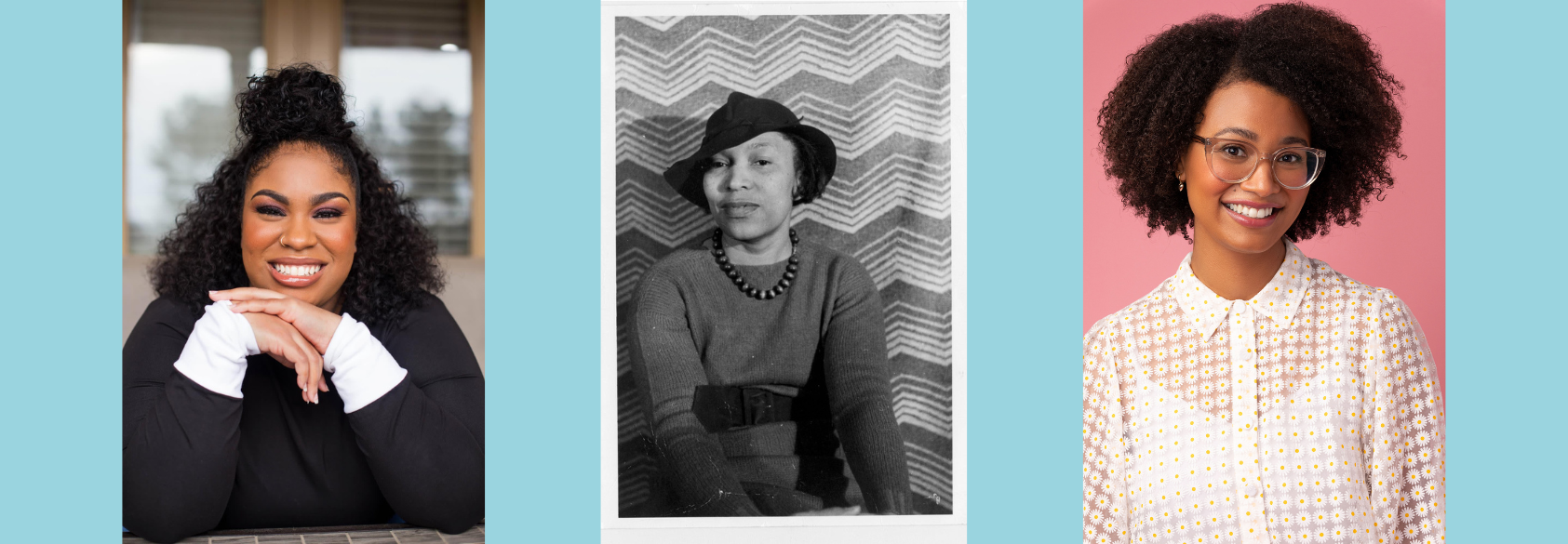
Images (from left to right) of Angie Thomas, Zora Neale Hurston and Elise Bryant. Photo credits (from left to right): Imani Khayyam; Carl Van Vechten; and Joseph Sebastia Photograph.
How Are We Still Here? Reflecting on the Big Read and the Legacy of Black Women Writers
When the National Endowment for the Arts' Big Read list for 2026–2027 excluded Black women authors, educator Amber Chandler had one question: How are we still here? In this powerful reflection, she spotlights the impact of Zora Neale Hurston, Angie Thomas, and Elise Bryant — and shares must-read resources celebrating Black women writers who shape classrooms and culture.
Have you ever been working on a project or zeroed in on something and basically missed the forest for the trees? I am really, really hoping that the National Endowment for the Arts somehow did just that with its list for the Big Read 2026-2027. How is it possible that out of the 24 titles, none are by Black women. How are we still here? By “here,” I mean a world where this is a topic of conversation. A quick glance at the NEA website, and it is clear that this isn’t an organization that seems to exclude any group, but this situation has me questioning a lot of things. You can read about what has set me off here. As usual, I have thoughts. In protest of the list without Black women, I’ll share a few of my favorites.
Zora Neale Hurston
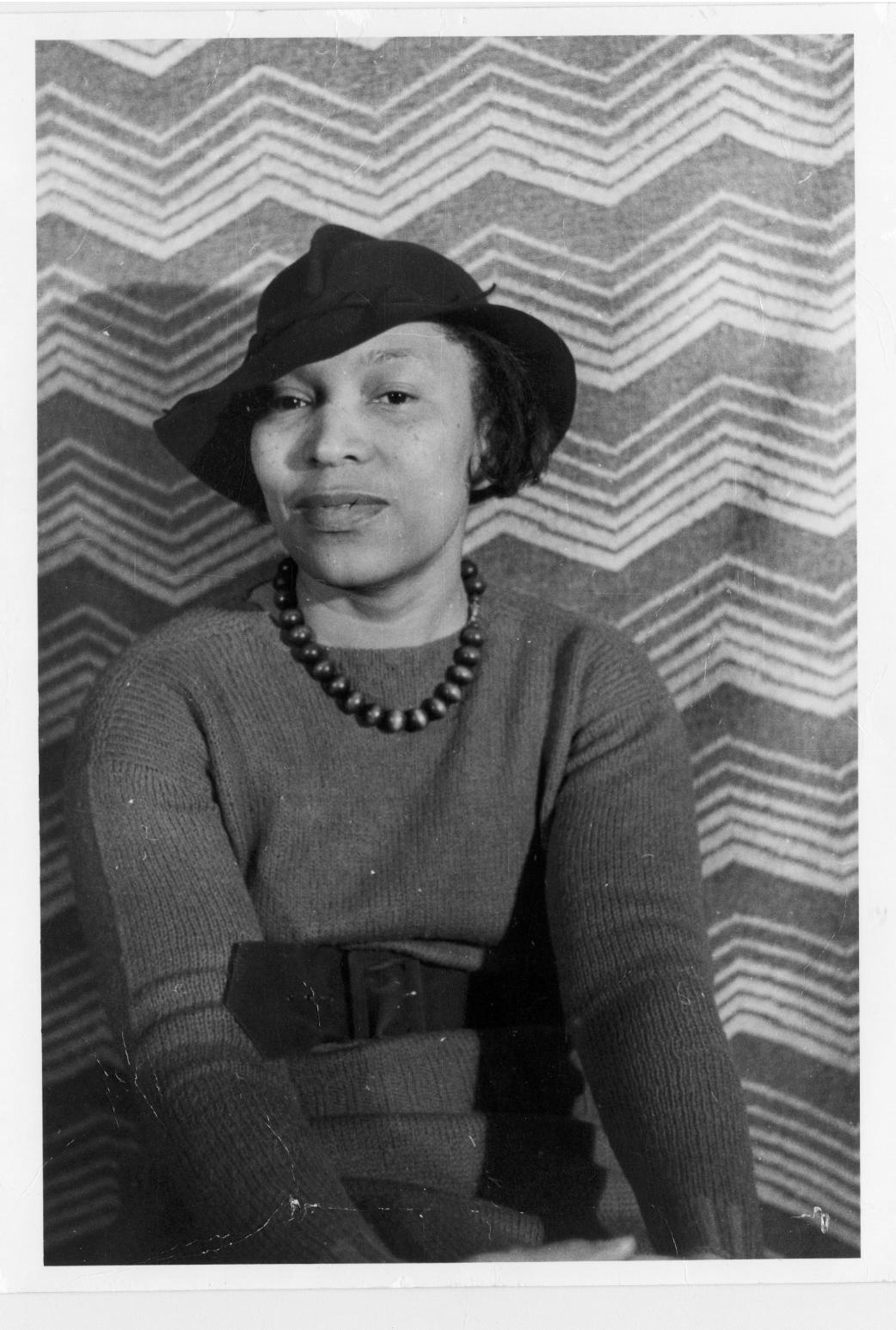
Image of Zora Neale Hurston. Photo credit: Carl Van Vechten
Zora Neale Hurston is my favorite writer of all time, as much for the stories she wrote as for the adventurous and scrappy life she lived. Her father was the mayor of the first intentional all Black community in the United States, Eatonville, Fla., where she began gathering her stories. Even as a child, she was an anthropologist, mining her experiences. One of my favorite Zora stories is how she lied and said she was 16, instead of 26, so she could qualify for free public education. That right there was a woman who could stand on business. The best part, she never corrected her age, always claiming to be 10 years younger. You’ll have to just give me grace on this one, I talk about her like she’s my BFF, so I just call her Zora. Zora’s life wasn’t all easy, but her attitude is something I have tried to emulate since I read these lines: “I took a firm grip on the only weapon I had—hope, and set my feet. Maybe everything would be all right from now on. Maybe. I put on my shoes and I started.” She was an unflappable woman. Zora wore boas, got a scholarship to study voodoo, and hung out with Langston Hughes. If you don’t know much about Zora, you can read my fangirl blog.Their Eyes Were Watching God is her most famous and most taught book, and this lesson is a good place to start. As my daughter likes to say, “She’s my girrrrrrl.”
Right before the pandemic, I piloted a program for at-risk ninth-graders, called REACH. They were amazing people, and they all had a big problem. Their “big problem” was all that held them back. For some, it was avoidance. Skipped classes, hiding in the bathroom through lunch, and the locker room for gym. For others it was family related. These were heartbreaking: M.’s mom overdosed right in front of her on the kitchen floor and died; Z. was gay, and when he came out, his dad took the door off his bedroom; for P., it was vaping and weed with alcohol on the weekend. These kiddos, as you can imagine, don’t necessarily put an English class at the top of their list. That is, until The Hate U Give. We’d read, curled up in our very nontraditional space, after lunch. Every other day, we listened to the audiobook. Everyone was transfixed. Every journal assignment was completed. We spent an entire restorative circle discussing this quote: “I'm tired of them just assuming… . They with a capital T. There's Them and then there's Us.” My students were diverse, yet they all felt seen. That is powerful stuff right there. If you want to know more, this Parent and Educator Guide was a No. 1 lesson in 2018.
Elise Bryant
Image of Elise Bryant. Photo credit: Joseph Sebastia Photograph.
This author was new to me, but I discovered that I could easily slip away into her young adult romantic comedy, One True Loves. The nerves of new beginnings, flirtations, cringe parents, all on a cruise. Buried within this narrative though are questions of identity, race, mental health, family dynamics and, of course, romantic love. I couldn’t put this book down, and the protagonist, Lenore, has stuck with me in the best possible way. Reviewers call it humorous, charming and hopeful, and I agree. When I looked her up on Amazon, her bio was delightful. “For many years, Elise had the joy of working as a special education teacher, and now she spends her days reading, writing, and eating dessert.” If you are looking for a woman of our times, she’s it because who wouldn’t love a writer who says, “I’m done taking up less space than I deserve”?
To circle back to the original impetus of this blog—the NEA not having any Black women in their Big Read list—here are several really good lists:
Finally, I actually cheered when I found this final resource. Here’s the intro from the Internet Archive: “From the earliest days of American literature, Black women have made invaluable contributions—although their work was often discounted, criticized, or ignored. To counter this history, the online publication Zora (named for author Zora Neale Hurston) created The Zora Canon, a collection of the 100 most prominent books written by African American women.” I’m still frustrated by the snub of Black women; but as I did the research for this blog, I realized two things: I have a lot of reading to do and the U.S. has a long way to go.
Black History Lesson Plans and Resources
Within this collection, you will find a variety of resources designed to help you effectively celebrate Black history and inspire year-round discussions on the subject. From lesson plans and classroom activities to blogs and free professional development webinars, these resources are meant to support educators in bringing Black history to life in the classroom.
Use these timely preK-12 lesson plans and class activities to incorporate key figures and historical events in your Women’s History Month lesson planning. This Share My Lesson collection spans topics like women’s suffrage and women’s rights and features influential women in science, social justice and rock-and-roll.
Amber Chandler is a National Board Certified middle school ELA teacher in Hamburg, New York with a Master’s Degree in Literature, as well as a School Building Leader certification. She is the 2018 Association for Middle Level Educators’ “Educator of the Year.” Amber has enjoyed a wide variety of... See More