. Skip to main content
PBS journalist Judy Woodruff speaks with historian Joseph Ellis about America’s founding, examining the promises and failures of the nation’s founders as the U.S. approaches its 250th anniversary.

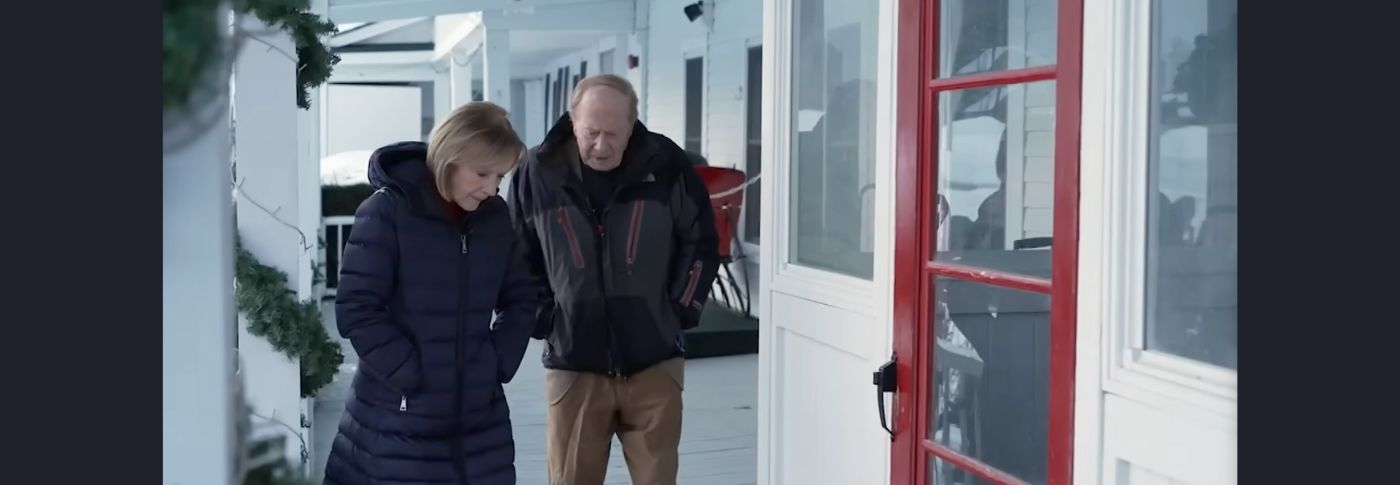
Judy Woodruff interviews historian Joseph Ellis about the founders’ vision, their contradictions, and the legacy of America’s founding as the nation nears its 250th anniversary. Photo credit: PBS

February 28, 2026

As America Turns 250, Historian Joseph Ellis Examines the Founders’ Promise and Their Failures

As the United States approaches its 250th anniversary, historian Joseph Ellis reflects on the founders’ vision, their achievements, and their failures. What does that legacy mean today?

Share

Share On Facebook
Share On Twitter
Share On Pinterest
Share On LinkedIn
Email

NOTE: If you are short on time, watch the video and complete this See, Think, Wonder activity: What did you notice? What did the story make you think about? What would you want to learn more about?

With a 250th birthday in sight, we wanted to ask Americans what it means to be an American and reflect on what the founders built, who they left out and what in that 250-year history has been left unresolved. Judy Woodruff went to Vermont, a state whose motto is "Freedom and Unity," for her series, America at a Crossroads. She spoke with local Vermonters as well as Pulitzer Prize-winning author and historian Joseph Ellis.

View the transcript of the story.

Remote video URL

Warm-Up Questions

  1. Who is Joseph Ellis, and what is his background?
  2. Where was the segment filmed?
  3. How do residents at the diner feel about the state of the country?
  4. Why does Ellis argue slavery and treatment of Native Americans were America's two "tragic contradictions"?
  5. What two primary source documents does Ellis advise Americans read at the close of the interview? What does he say the founders promised America in the Constitution?

Essential Questions

  • Why do you think Joseph Ellis recommends Americans read the Declaration of Independence and Thomas Paine's "Common Sense" in order understand this founding period in U.S. history?
  • Vermont resident Scott MacDonald said, "We have had parts of our history that are shameful, of course, and every country has. It's what we do about it now that matters." How do you think slavery and the treatment of Native Americans continues to affect America? What do you think needs to be done to heal these wounds?
  • What does it mean to be an American or live in America today?
  • Media literacy: Why do you think News Hour producers chose to interview local Vermonters at a diner and not just Ellis?

What Students Can Do

With a friend, family member or neighbor discuss the following quotes by Joseph Ellis from the video and answer the accompanying questions.

America at 250: From Revolution to Republic

This collection traces the nation’s journey from colonial life and growing resistance to British rule, through the Revolutionary War, the Declaration of Independence, and the creation of a new constitutional government. Organized thematically, the resources support instruction in U.S. history, civics, and ELA while encouraging inquiry, discussion, and critical thinking.

Subscribe to Our Newsletter

Want to see more stories like this one? Subscribe to the SML e-newsletter!

Republished with permission from PBS News Hour Classroom.

PBS News Hour Classroom
PBS News Hour Classroom helps teachers and students identify the who, what, where and why-it-matters of the major national and international news stories. The site combines the best of News Hour's reliable, trustworthy news program with lesson plans developed specifically for... See More
Advertisement

Post a comment

Log in or sign up to post a comment.